3TEK Bravo 6280 Hammer Mill Shredder
What is the Bravo 6280?
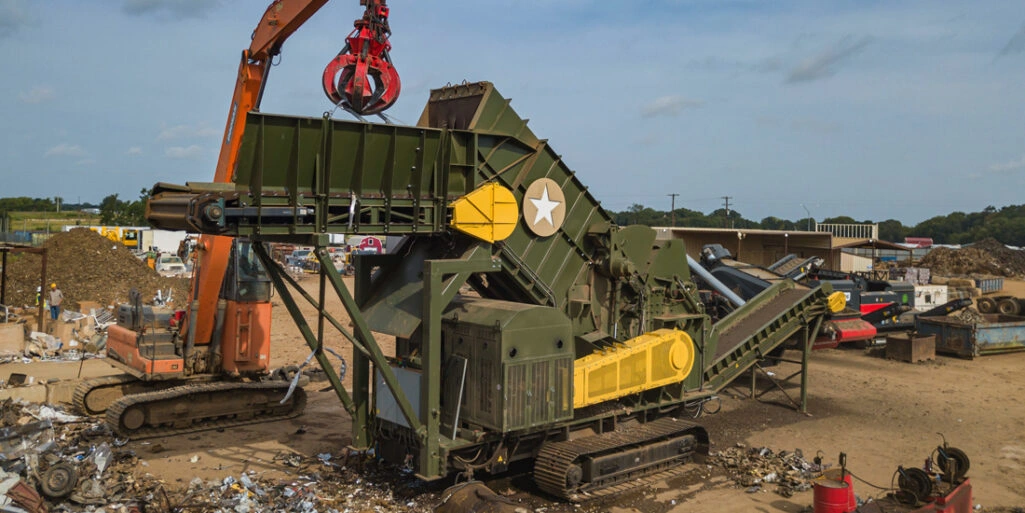
The Bravo 6280 is a compact, mobile hammer-mill shredder engineered by 3TEK Global for efficient ferrous scrap metal processing. It is designed especially for small- to mid-sized scrap yards or recycling operations that want to upgrade their metal processing capabilities — turning collected scrap into furnace-ready, dense ferrous material.
Key Specifications & Features
Rotor & Hammers
4-pin, 9-disk rotor design; 62″ hammer swing diameter; rotor speed 750 RPM. Equipped with 8 cast-manganese hammers, each weighing 240 lbs — built for heavy-duty shredding.
Feed System
Dimensions & Mobility
Power & Performance
Output & Throughput
Durability & Maintainability
Controls & Operations
What Materials It Can Process
The Bravo 6280 is suitable for a broad range of scrap metal types, including:
- White goods — washers, dryers, refrigerators, water heaters, lawn mowers, bicycles, etc.
- Auto and truck parts — engines, axles, transmissions, fenders, hoods, wheels, leaf springs, etc.
- Miscellaneous structural shapes — light structural steel, plate (within limits), pipe, channel, angle, and sheet metal up to certain thicknesses.
- Mixed ferrous feed — lighter ferrous scrap and nonferrous metals in combination with downstream separation (if non-ferrous included).
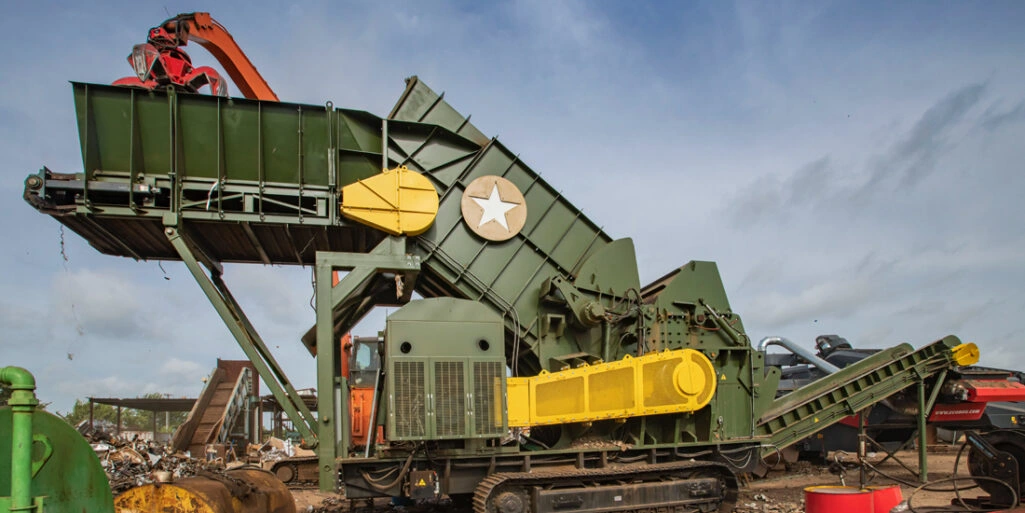
Note: As with all heavy shredders, material geometry, thickness, and rigidity matter. Overly thick plate, extremely heavy shafts, or very large structural pieces may require pre-processing (cutting, flattening) for optimal performance.
Ideal Use-Cases / Who the Bravo 6280 is For
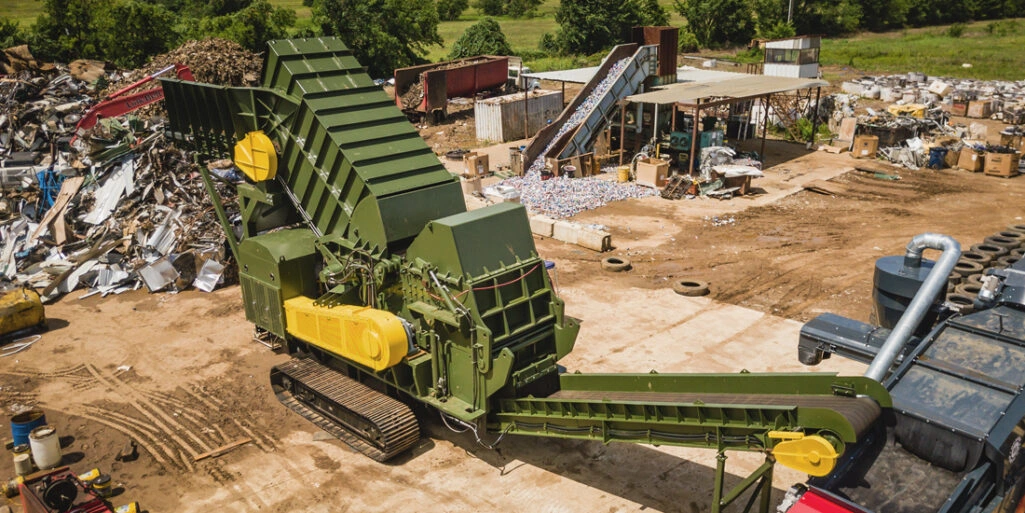
The Bravo 6280 is well suited for:
- Small- to mid-sized scrap yards or recycling operations that want to scale up production without investing in a massive shredder.
- Businesses targeting 1,500–3,000 tons per month — bridging the gap between small-scale collection and high-output shredding.
- Operations that value mobility and a relatively compact footprint — allowing easier permitting and flexible placement, ideal for sites with limited space or relocation needs.
- Producers focused on dense, furnace-ready scrap to maximize scrap value and attractiveness to steel mills.
Recommended Additional Equipment & Considerations
- Mobile separation systems — for operations handling mixed ferrous and non-ferrous scrap, consider pairing the 6280 with a mobile separation system (e.g., eddy-current separators, ferrous/nonferrous sorting lines) to improve metal segregation and recovery rates.
- Maintenance planning — follow a regular maintenance schedule that includes inspection of hammers, liners, bearings, and feed-roll wear plates; lubrication checks; and monitoring bearing temperatures via the RTD system to ensure reliability.
- Pre-processing requirements — bulky or thick scrap may require cutting or flattening prior to shredding to ensure smooth feeding and avoid overload or equipment damage.